What Does It Take to Decide Well as a Leader?
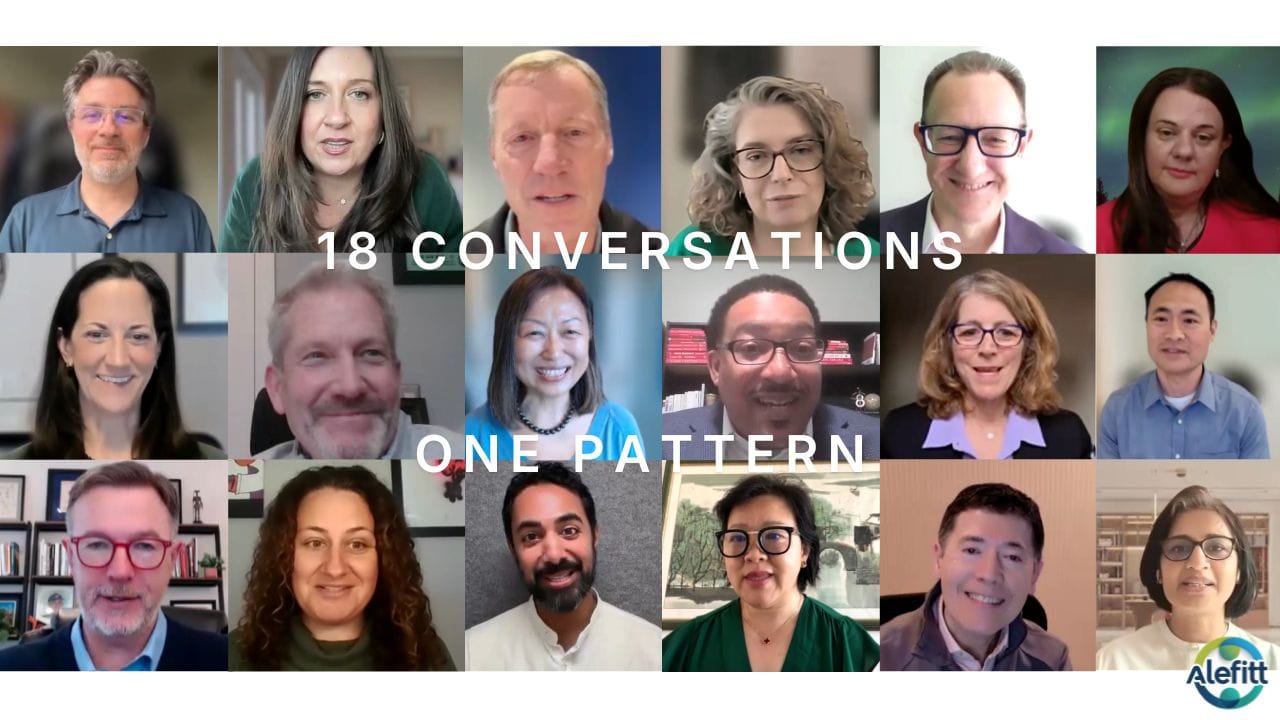
Six tensions, eighteen interviews, one skill underneath.
In July I made a claim. Leadership is the practice of holding tensions, and the word or is usually the wrong word.
Then I spent six weeks writing about one tension at a time:
- Trust before alignment
- Productive conflict
- Speed and rigor
- Transparency with responsibility
- The transition, where experience becomes asset and bad advisor at once
- The dual lens, where the trained view meets the wider ones
Eighteen interviews stood behind them, nine leaders and nine coaches, and the weekly work of writing it down taught me things the opening claim had not. Three of them stayed with me.
The six tensions are one skill wearing six costumes
Every pair came down to the same move. Read this moment instead of applying the rule from the last one. This decision needs rigor, that one needs speed. This information gets shared, that gets held well.
The leaders who handle one tension well tend to handle the others well, because the underlying skill is about discernment, and discernment compounds.
The harder half of each pair is the one with less feedback
Rigor produces documents. Alignment produces meetings. Transparency produces words. The other halves mostly produce silence. The speed taken on conviction, The trust extended early. The information held quietly. The lens added deliberately.
Nobody applauds the confidence kept or the speculation declined. So leaders drift toward the half that generates evidence of effort. The drift feels responsible while it lasts. The reality is the quiet halves decide more than they show.
Transitions call every tension at once
A new seat does not send the tensions one at a time. The first months demand trust before alignment, conflict with people whose respect you need, speed in a role you would rather study, judgment about what to share while you are still learning what you know, and old expertise questioned while it is the main thing you brought.
If the series had a center of gravity, it was that the bigger seat is where the practice stops being theoretical.
What the series did to my own deciding
I wrote these pieces while living most of them. Nine months into founding Alefitt, the tensions were not theoretical. And the writing kept catching me on the wrong half. I found myself drawn to the work that produces evidence, the documents, the polished updates, while the quiet work waited. A session with my own coach exposed it in one word, when I described managing the consultants who build Alefitt with me and realized I was running a framework built for a different world.
The series taught me what to watch for. The lesson I keep is the drift. It never announces itself, and it always feels responsible.
The claim, revised
The opening claim holds. Holding the tension is the work. What six weeks added is the shape of the practice. Less framework, more reading. Fewer rules, better questions.
The or was always the wrong word. The and, it turns out, is a skill.
Questions leaders ask about deciding between competing demands
What does discernment mean in practice? Reading what this moment carries before choosing how to meet it. The stakes, the reversibility, the people, the timing. Discernment is the skill of matching the response to the situation rather than to the rule.
Why do leaders drift toward the measurable side of every tension? Because it produces evidence of effort. Documents, meetings, and announcements all show work, and careers are reviewed on what shows. The quiet halves, trust extended, information held, confidence kept, produce silence.
Why do new roles feel so much harder than the last one? Partly scope, and mostly concentration. A transition calls every tension at once, before the relationships, context, and credibility exist. The difficulty is structural and not a verdict on you.
Can discernment be coached? It is one of the things coaching develops best, because discernment grows through practice. A coach holds up the questions after each decision. What was this moment asking for, which half did you choose, what did it cost. Choosing a coach takes more thought, and I have written a full guide to it, free at alefitt.com/guide.
About the Author
Cindy Cohen, MBA, PCC, coaches directors, VPs, and C-suite leaders, most often in tech, through the moments that matter, and is the founder of Alefitt, which matches senior leaders with vetted executive coaches.