Why Are the Most Trusted Leaders Rarely the Most Transparent?
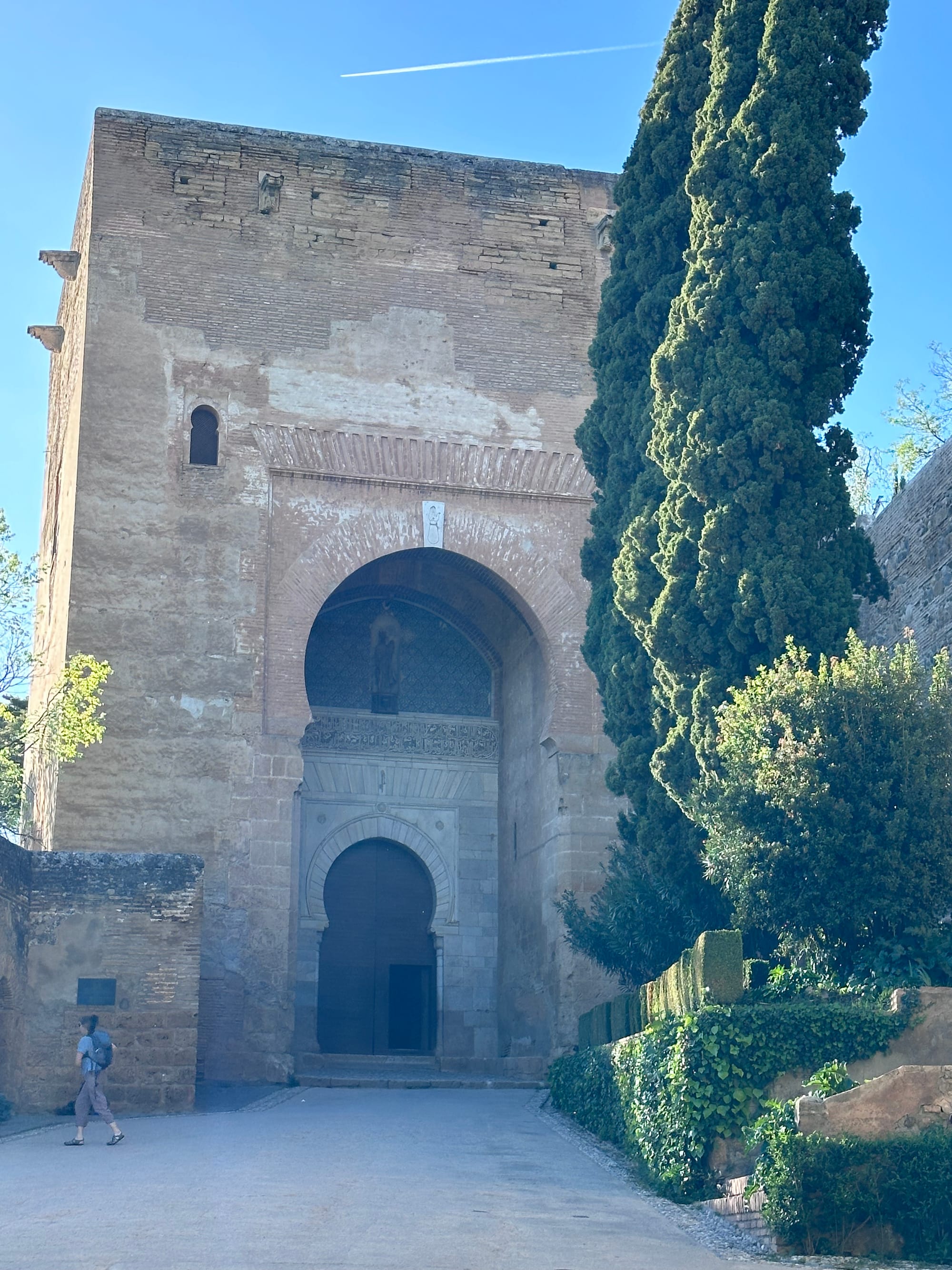
Trust is built in the held moments.
Ask leaders how trust gets built and most will say some version of openness. Be transparent. Share early. Show your work.
I believed that for a long time, and my years watching leaders taught me something less tidy. The most trusted leaders I have known were rarely the most transparent ones. They were the ones who handled what they could not share well.
If you lead anything, you are already holding information. This piece is about what your team is reading when you hold it. It explains why that moment creates more trust than openness.
Why transparency alone does not build trust
Every senior role comes with held information. The reorg that is probable but pending. The plan that is real and unannounced. The confidence a colleague placed in you.
Full openness is never on the table, and everyone on the team knows it. That means the team is not reading your transparency. They are reading your judgment.
The standard advice misses this. Transparency is presented as the trust strategy, and it cannot be, because the job makes complete transparency impossible. What is possible, every day, is handling the gap well. That handling is where trust forms.
Teams read what you do not say
A VP I interviewed for my leadership series put words to half of this. People do not just read what you say. They read what you do not say.
Smart teams sense the held thing. They see the question you avoided, the topic that made you cautious, and the meeting that took place without them. What they watch is how you hold it. Evasion reads one way. Composure reads another.
A leader who clearly states what they can and cannot share builds more trust than one who shares everything and burdens the room with half-baked plans. The first leader is demonstrating judgment under constraint. The second is transferring their discomfort to the team and calling it openness.
Holding information well is itself a trust practice
An executive coach from the same leadership series made the other half plain. Holding information well is a way to show everyone watching that you are trustworthy.
The mechanism is simple and slow:
- The peer who watches you keep a confidence learns you will keep theirs. How you handle someone else's information shows others how you would treat theirs.
- The team that watches you decline to speculate learns your words carry weight. Leaders who fill silence with guesses teach their teams to ignore their words.
- The room that watches you stay calm during tough talks knows that pressure does not change how you cope. That is the reputation that precedes you into every future conversation.
Restraint, done visibly and without games, compounds. The key word is visibly. Holding information while pretending there is nothing in your hands is perceived as evasion. Holding it while acknowledging the holding is perceived as integrity.
The second currency, credibility spent on people
Trust has a currency beyond information. Credibility, spent on people.
The sponsor who puts a name forward in a room is wagering their standing on someone else's performance. The leader who vouches, who takes the call, who says I will stand behind this one, converts trust into something that moves. It costs the sponsor, which is exactly why it works.
Being trusted is the asset. Spending it on others makes it grow. Leaders who hoard their credibility keep it safe and keep it small. Leaders who spend wisely on deserving people find it returns with interest, because every person they stood behind is now evidence of their judgment.
What the practice looks like
The practice looks different from the standard advice:
- Share as much context as you can. Context is respect. The reasoning behind a decision, the constraints you are working inside, the timeline as you understand it. Generosity with context earns the right to hold specifics.
- Hold what must be held, and hold it visibly. Say that there are things you cannot share yet. Do not pretend your hands are empty. The acknowledgment is what separates discretion from evasion.
- Keep the confidences. Every one, including the small ones, including the ones nobody would ever trace. Discretion is a reputation built in moments nobody audits.
- Decline to speculate. When you do not know, say so. When you cannot say, say that. Your words gain weight every time you refuse to spend them cheaply.
- Spend your credibility on people. Put forward the name, take the reference call, stand behind the work. Trust that sits idle helps nobody.
Trust runs deeper than openness. It is what people see in you when carelessness was available and you chose care.
Questions leaders ask about trust and transparency
Is transparency overrated as a leadership value? Transparency is valuable and incomplete. Teams need context, reasoning, and honesty about what cannot be shared. Every leadership role involves held information, so the differentiator is never openness alone. It is how visibly and honestly you handle the parts you cannot open.
What do I say when I cannot share something? Say that you cannot share it yet, and share what you can. Something like, there is movement on this that I cannot talk about until it is settled, and here is what I can tell you about the timeline. Teams handle held information better than they handle evasion, because the first respects them and the second does not.
Does withholding information damage trust? Withholding with pretense does. Holding with acknowledgment does not. The damage comes when teams sense something held and watch you act as if nothing is, because then the question becomes what else you are performing. Visible, honest holding builds trust rather than spending it.
How does a leader rebuild trust after mishandling a confidence? Directly and without a production. State what happened, without excuses, to the person affected. Then let a long run of careful handling do the repair, because trust lost in a moment rebuilds only through accumulated evidence. A coach can help you see the patterns that led to the slip. Choosing a coach takes more thought, and I have written a full guide to it, free at alefitt.com/guide.
About the Author
Cindy Cohen, MBA, PCC, coaches directors, VPs, and C-suite leaders, most often in tech, through the moments that matter, and is the founder of Alefitt, which matches senior leaders with vetted executive coaches.